Masters Thesis — University of Newcastle, 2022 Krishivastu: An Adaptive Reuse Centre for Air Pollution Remediation, Delhi
This thesis proposes an adaptive community facility on one of Delhi’s most polluted sites, addressing the annual crisis of agricultural stubble burning. The design converts crop residue — a primary pollutant — into biodegradable products through an integrated education, production, and market facility, creating economic opportunity for surrounding villages while improving air quality.

Every winter, India’s capital region faces severe air pollution caused by vehicle emissions, industrial activity, crop burning, and unfavourable weather conditions. Smoke from stubble burning in neighbouring states like Haryana and Punjab combines with urban pollution, while colder temperatures and low wind speeds trap pollutants in the air. The situation often worsens around Diwali due to firecrackers, and despite ongoing efforts, the problem continues each year.
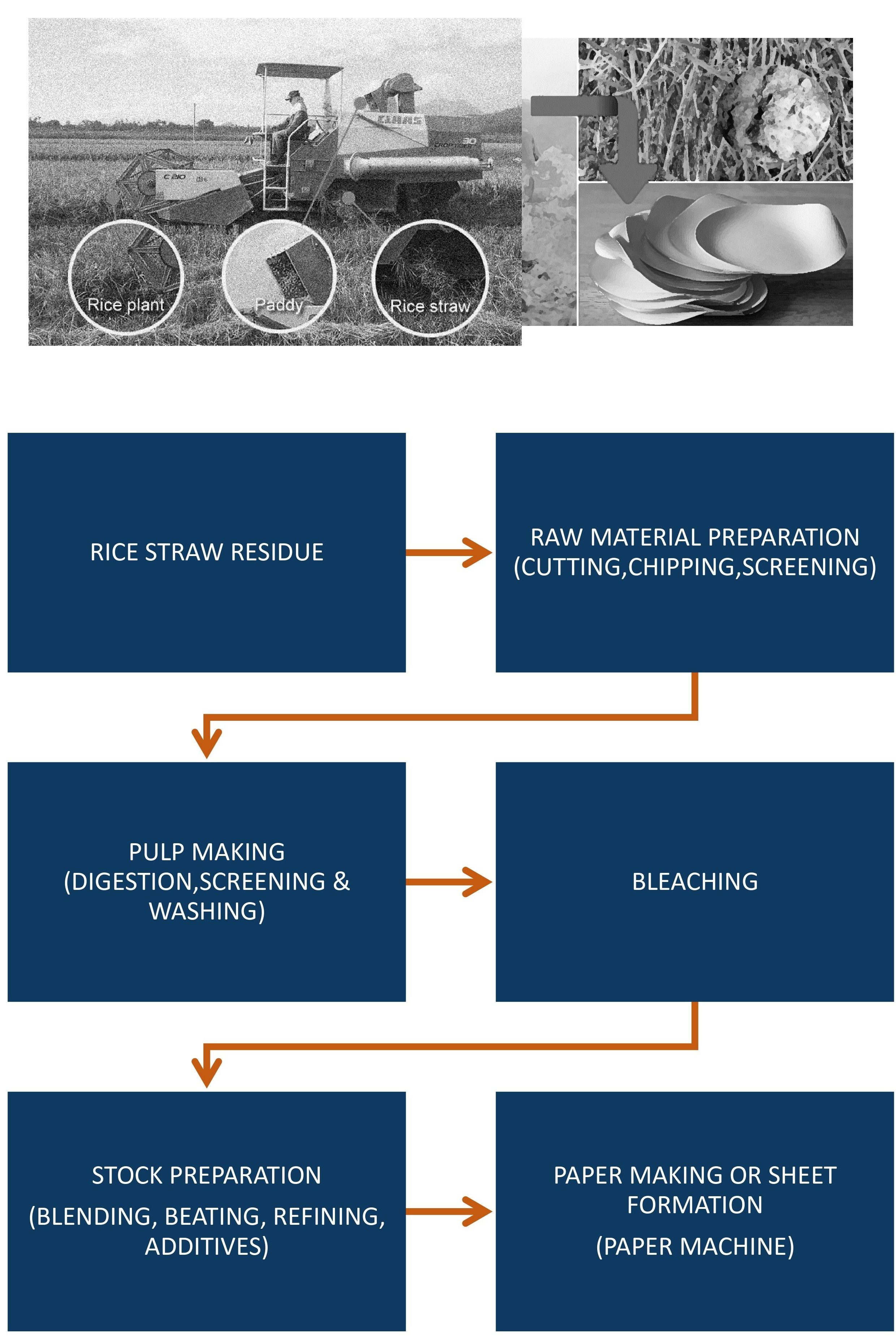

How the residue is collected and formed into products.
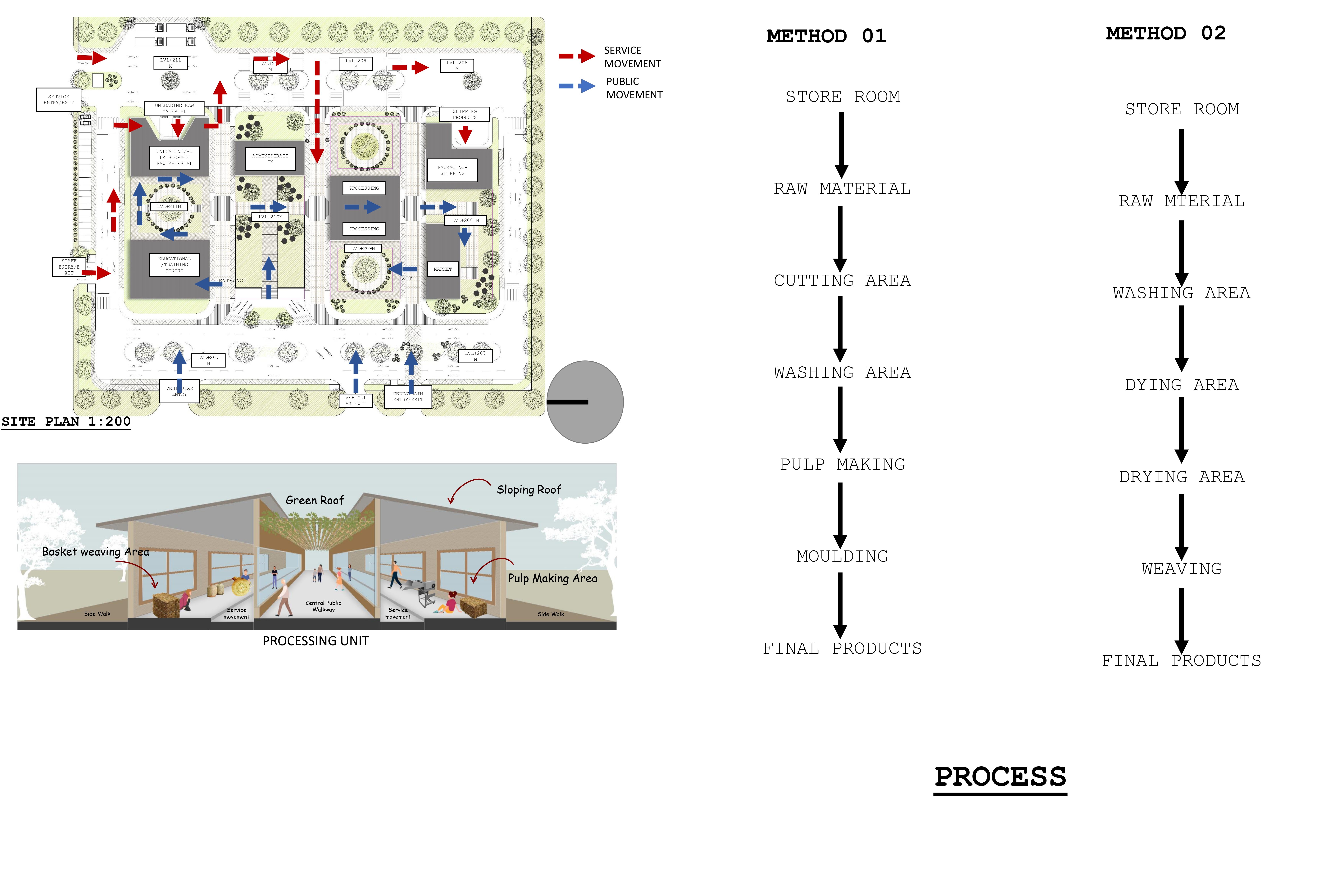
There is an easy process for using rice straw residue in biodegradable products. By weaving or making pulp from it, they can easily make different types of products.
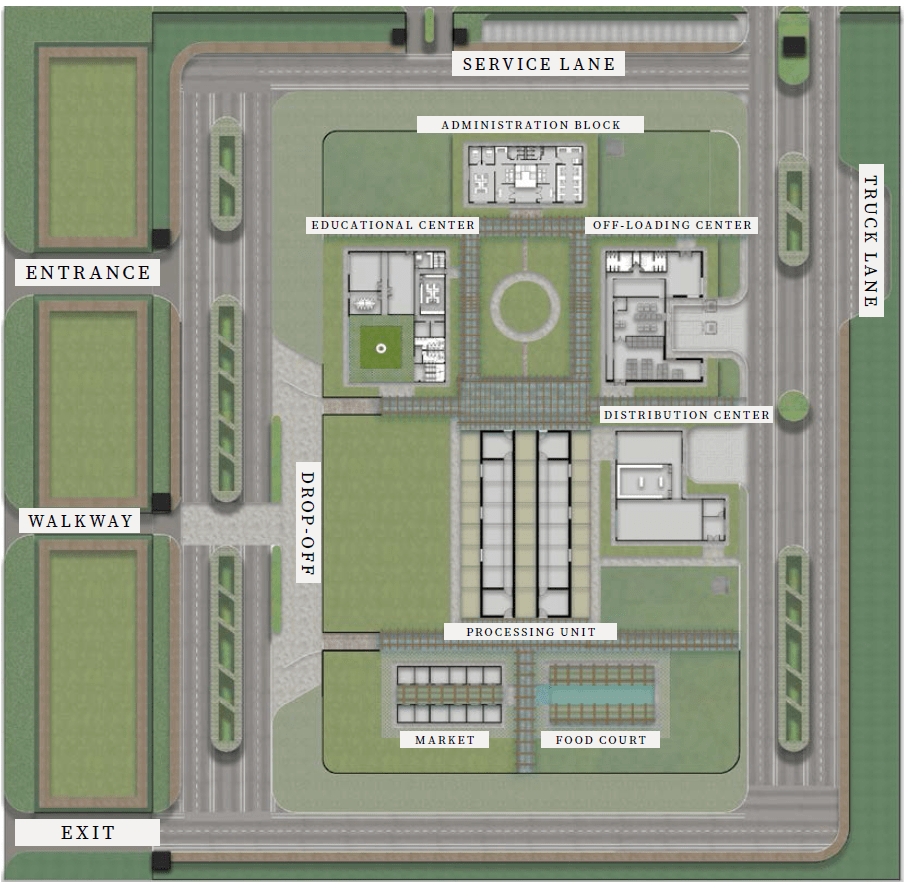
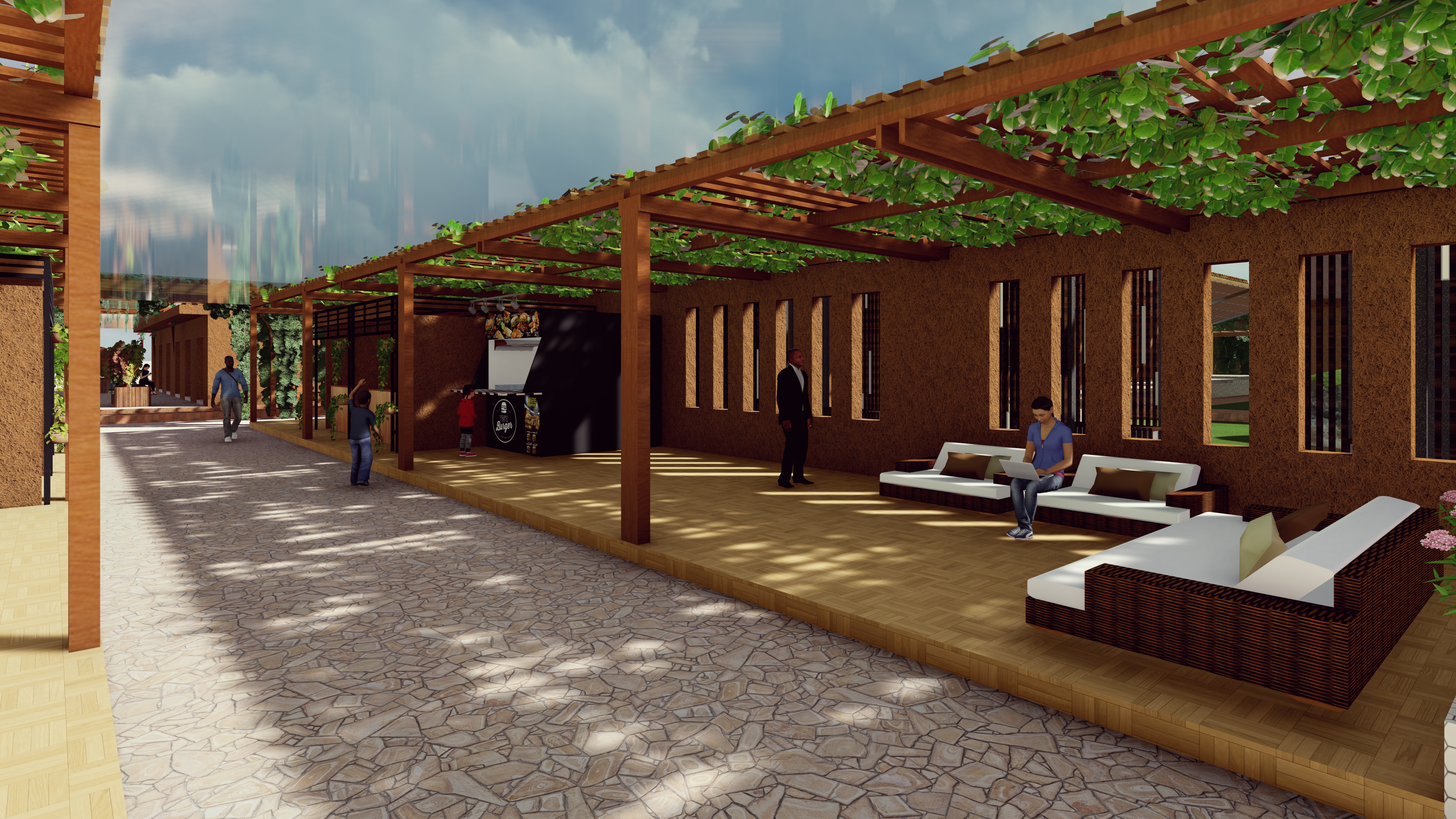
The tour starts at the education centre, where visitors learn about the equipment and its use, followed by the workshop where weaving and pulping processes are explained. An auditorium then introduces the project’s concept, highlighting the environmental and health impacts of stubble burning and how crop residue can be reused. Visitors continue to the off-loading and processing units to observe the transformation of raw materials into finished products through a central public walkway. The tour ends at the distribution, market, and food court areas, designed like a street market with central seating for public engagement.

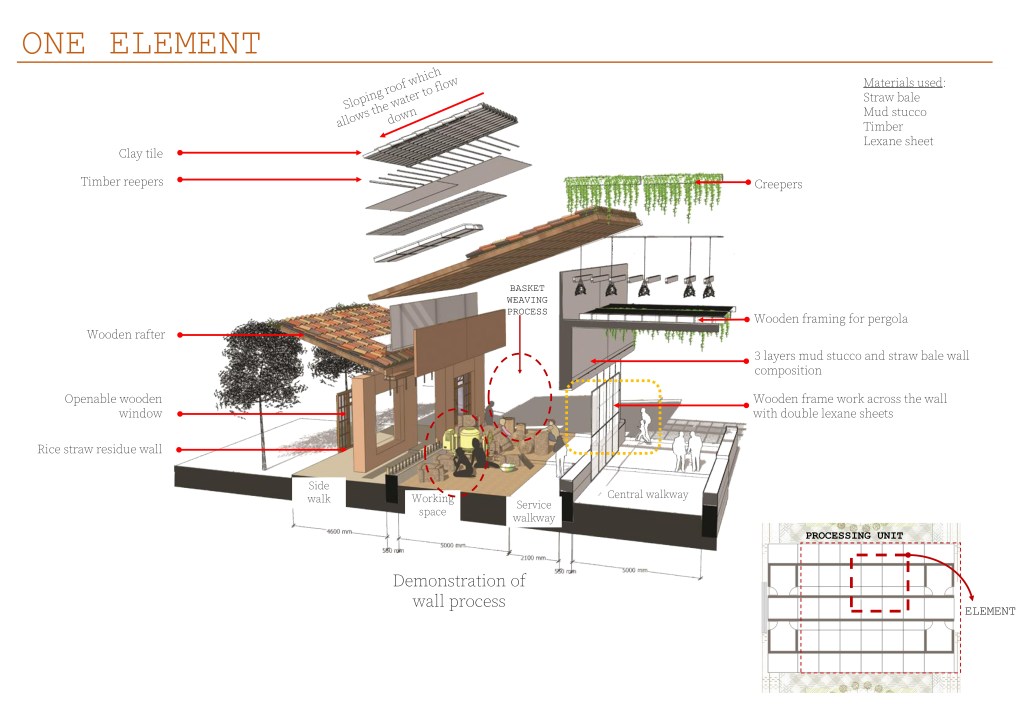
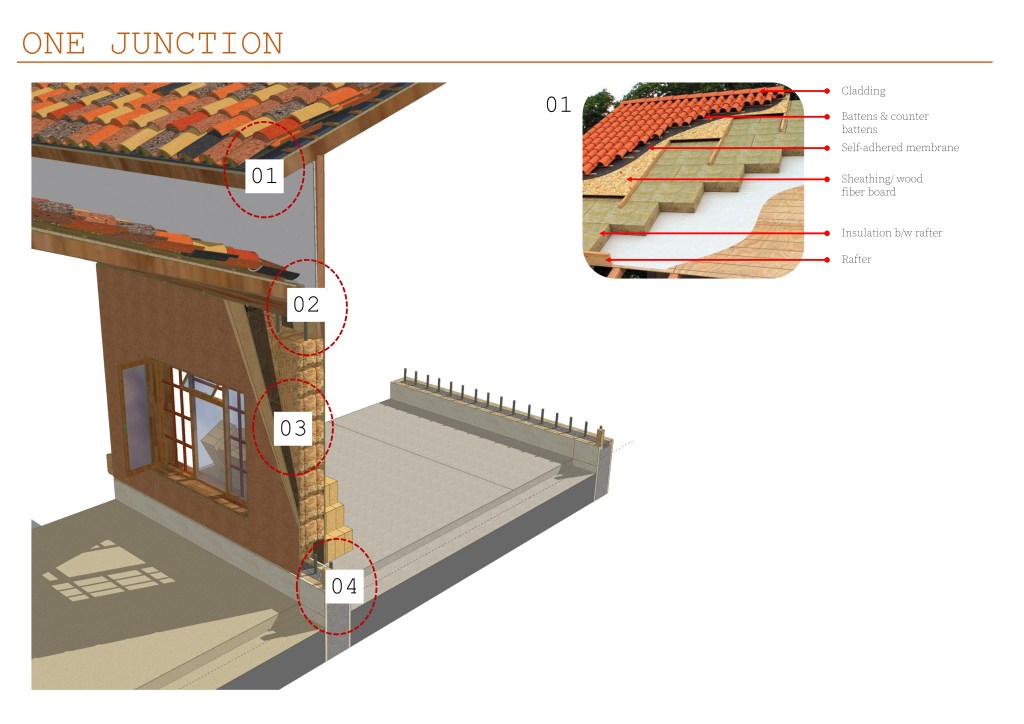
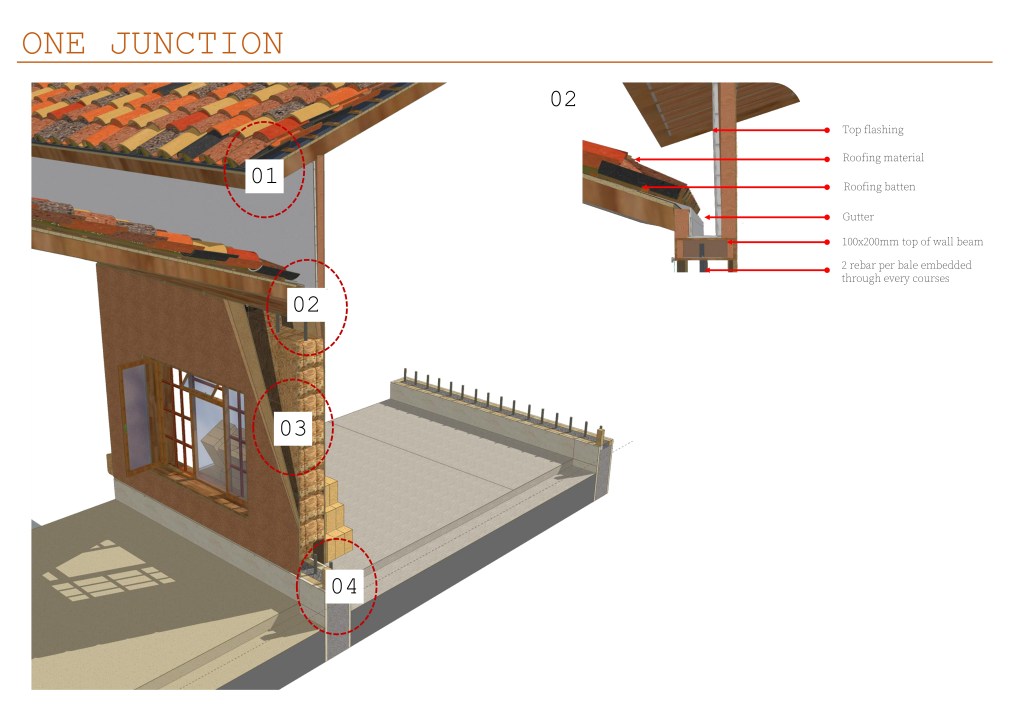
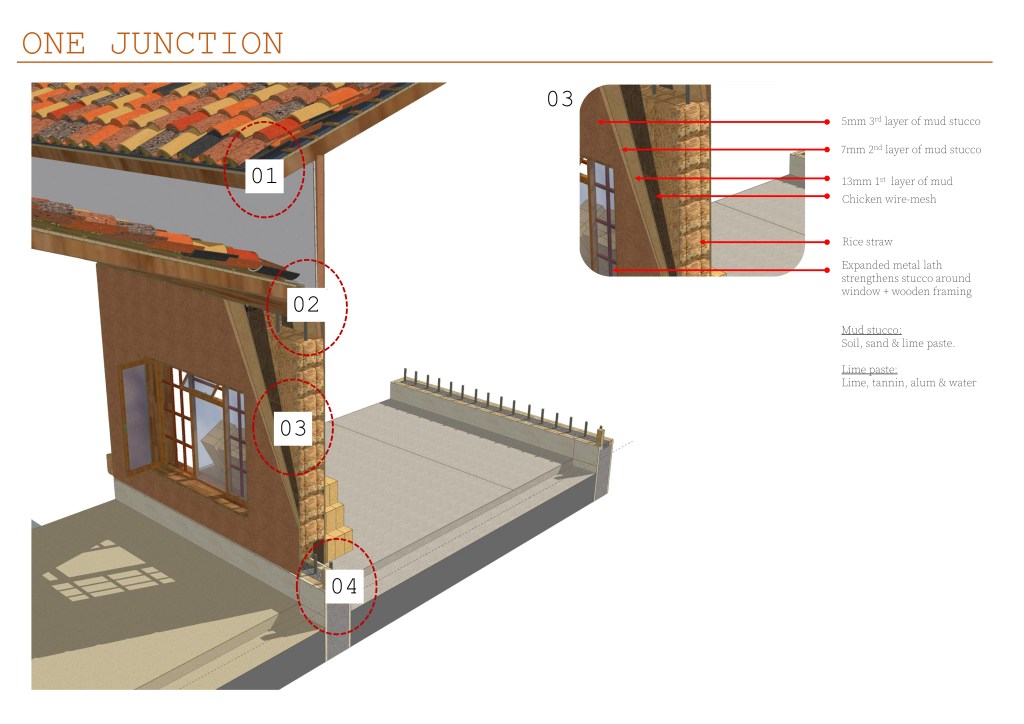
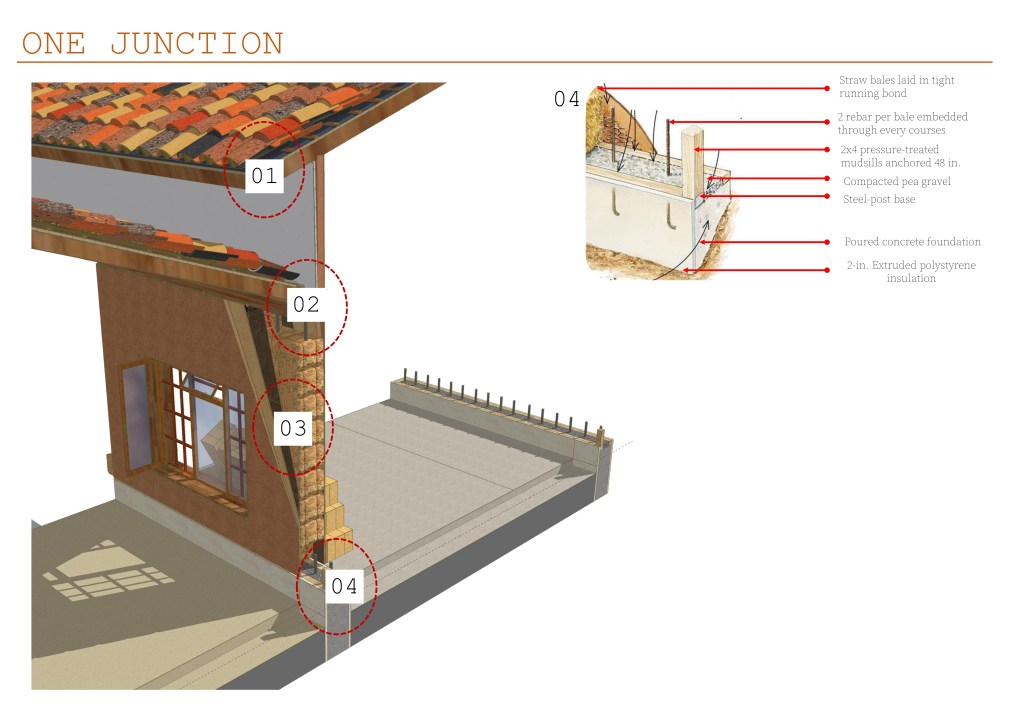
The idea is to develop environmental systems to create conditioned space with sealed environmental controls.
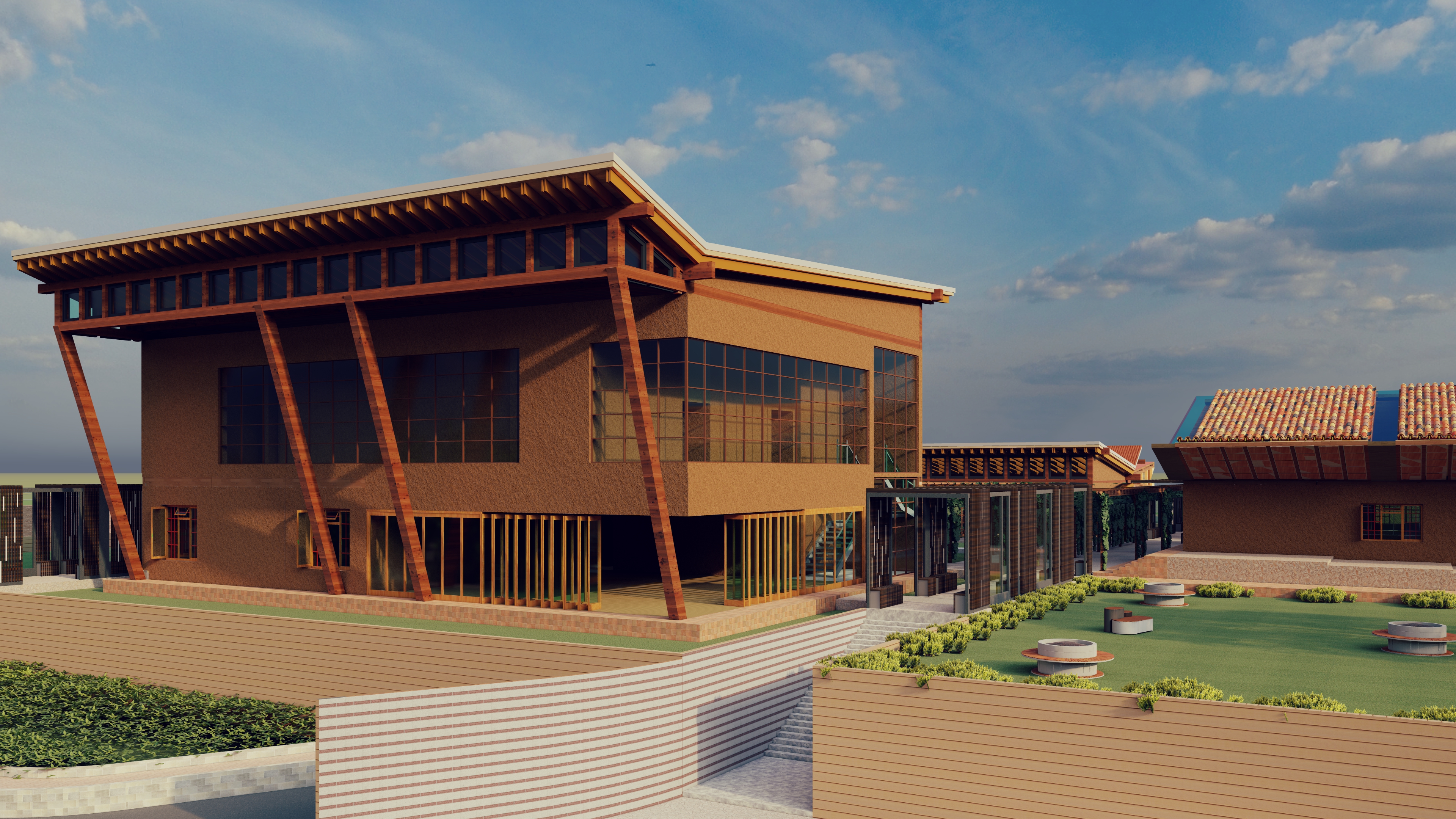
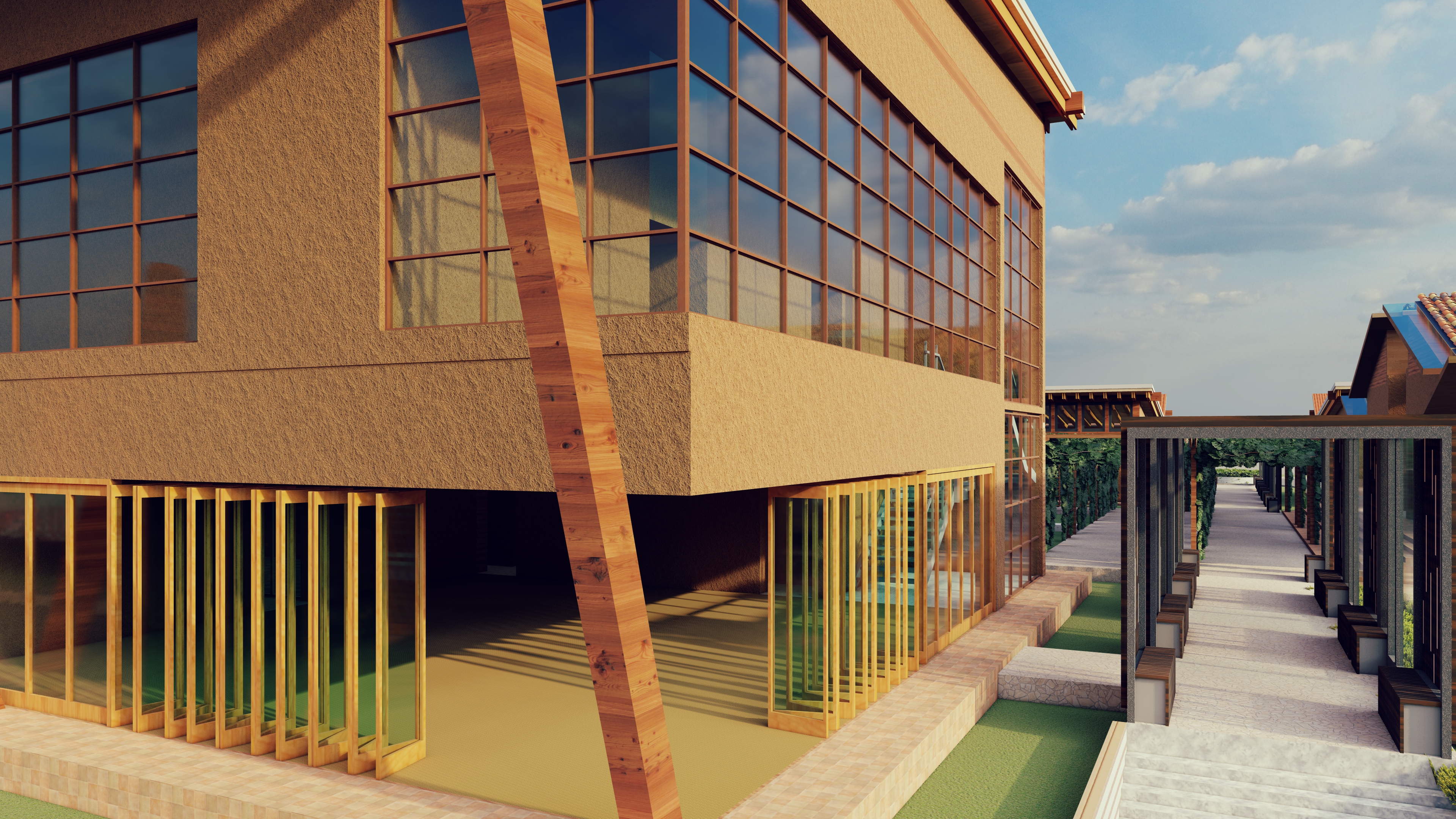

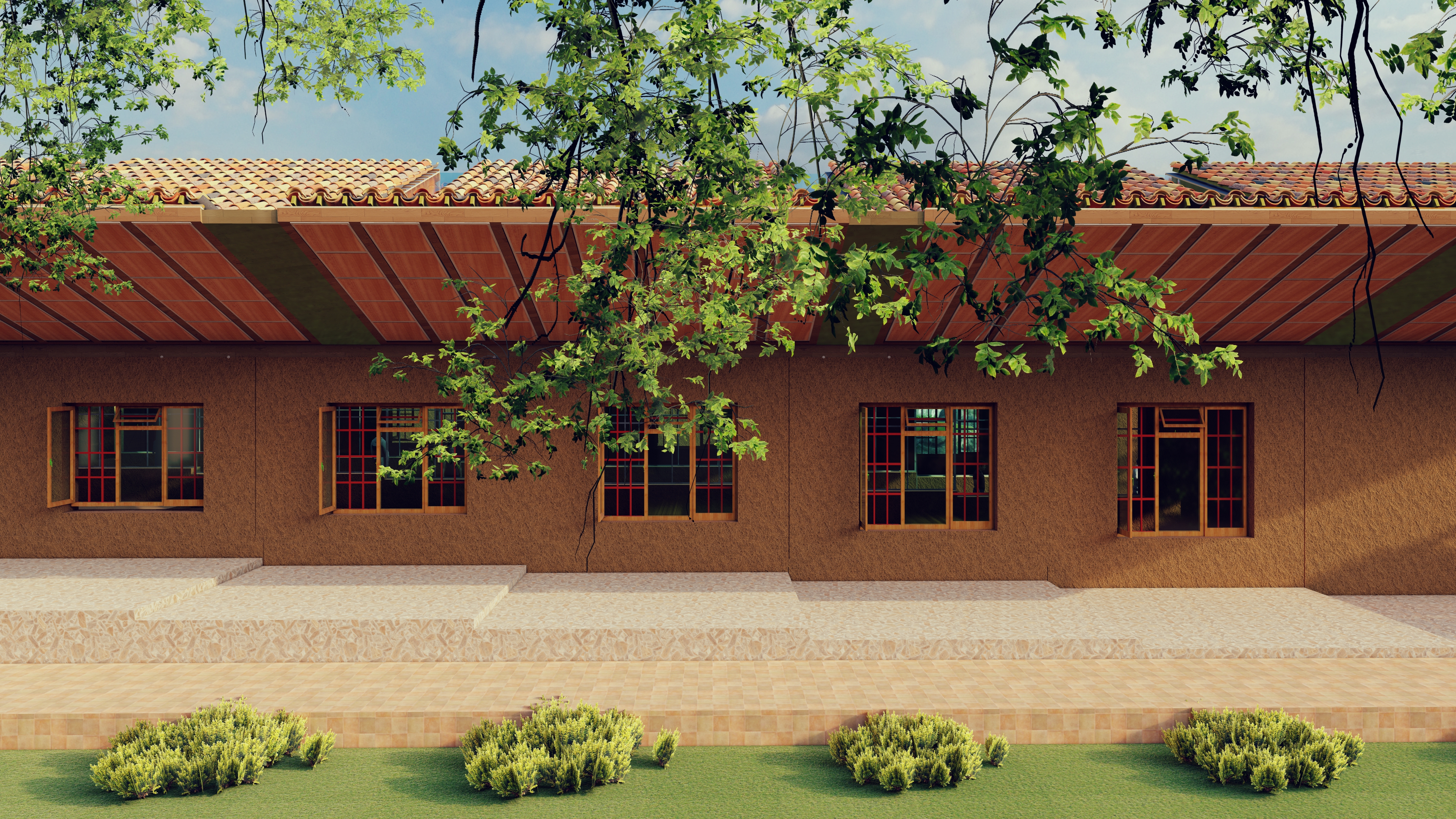

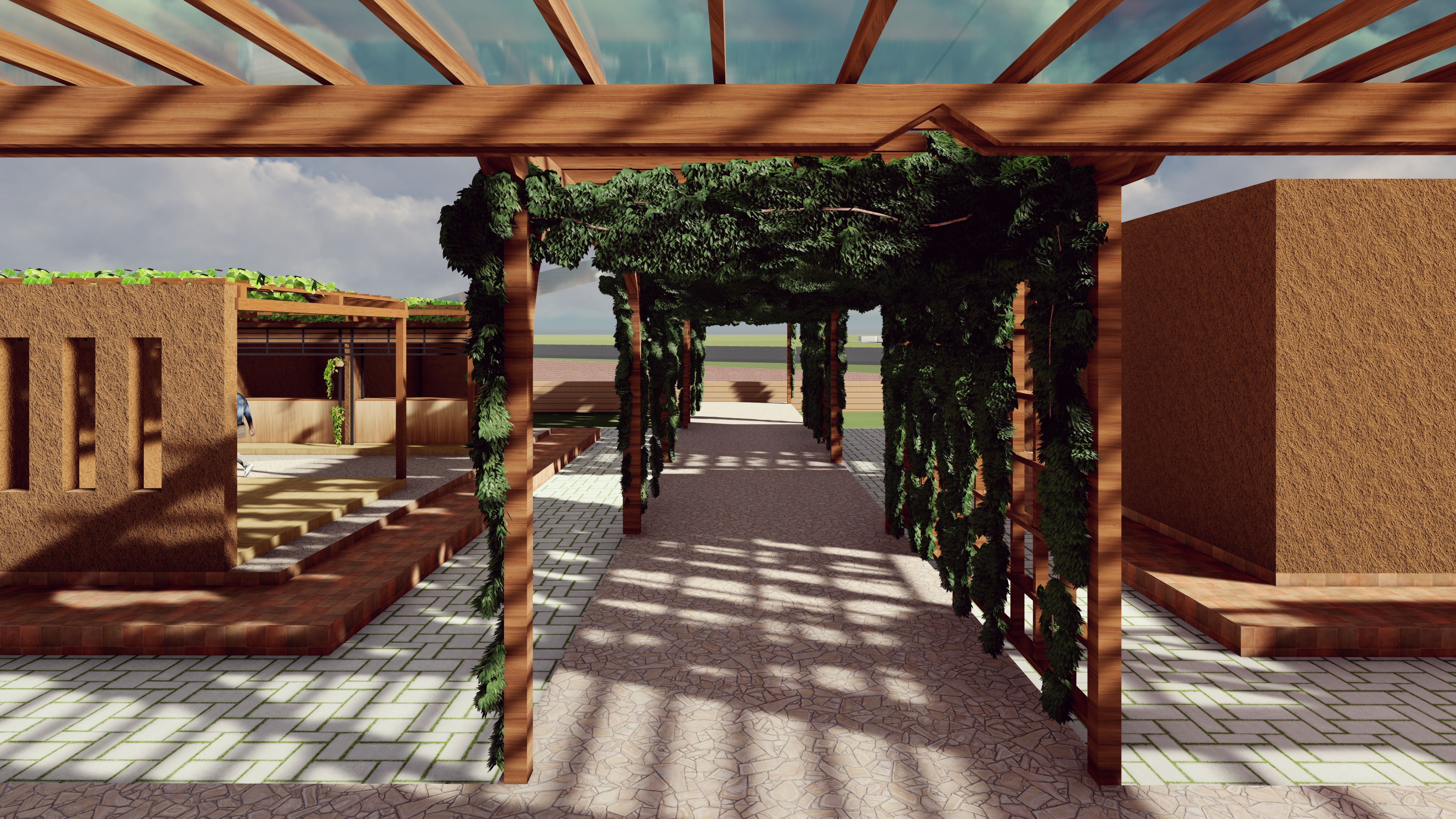
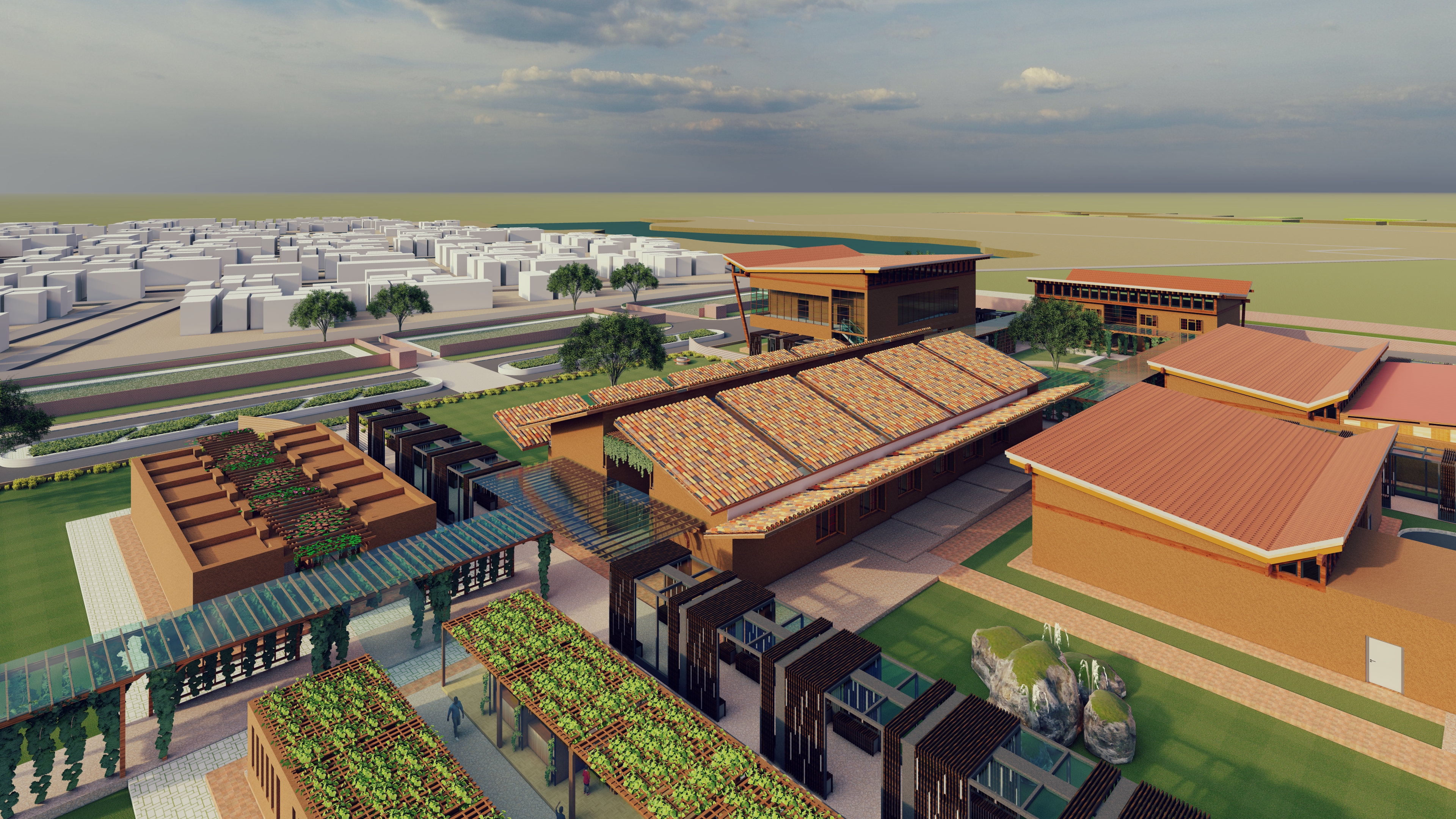
By creating a sustainable project which not only helps in reducing air pollution but also helps as a civic economic. The village next to the site has a low employment rate. So, this project can help them with jobs, as they train them with work. Being next to the agricultural fields will help the farmers to transport their residue, or the project will even help them with the services of transport.


